
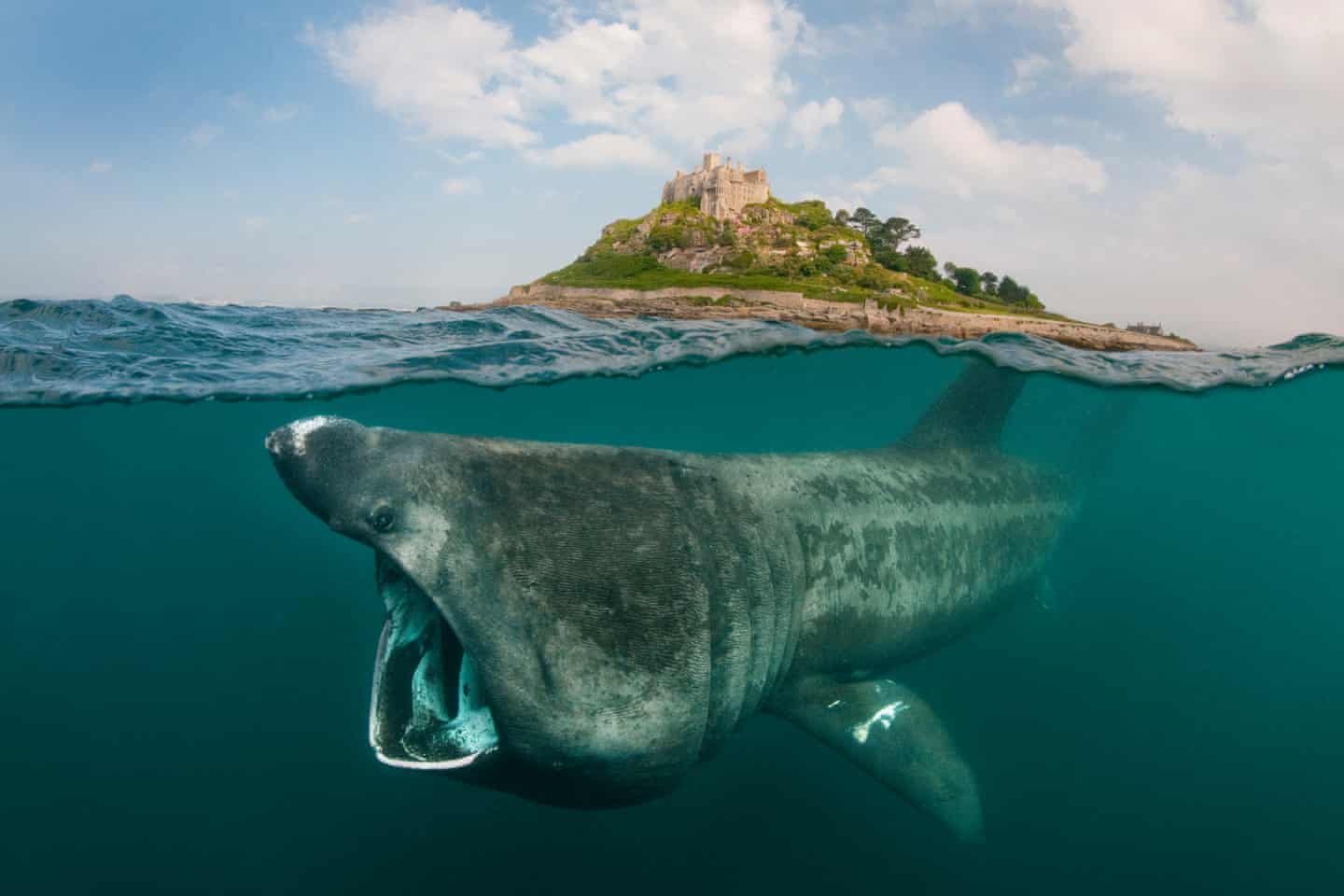
Life on Earth is a carefully balanced range of ecosystems, species and genetics, which when combined create what is known as biodiversity. The stronger the web that binds these three vital elements the stronger and robust the biodiversity is within each geographical environment. The stronger the biodiversity within an area the better the chance that species can adapt to the fluctuations from issues such as climate change and habitat fragmentation. Put simply, the more species living together and supporting each other throughout their lifecycles, the less food webs will be affected if altered through extinction or depletion of certain species. Some ecosystems that rely on a small number of keystone species (a species that has a disproportionately large effect on its environment and may even cause the ecosystem to collapse if such species becomes extinct) such as coral reefs whereby a significantly large proportion of species rely on coral, a keystone species. Through human activity such as pollution, litter and commercial fishing, coral reefs are disappearing which collapses the biodiversity of their oceanic habitats resulting in dead wasteland replacing these once vibrant underwater environments.
It is not just the oceans human activity has been damaging for such a long period of time, all habitats on Earth from the polar ice caps to the Amazon rainforest have been and continue to be affected at an alarming rate. This is not an issue just for wildlife. Our activities to date have been causing almost irreversible damage to the very ecosystems we rely on for our very survival.
A great video explaining biodiversity in more detail is below:
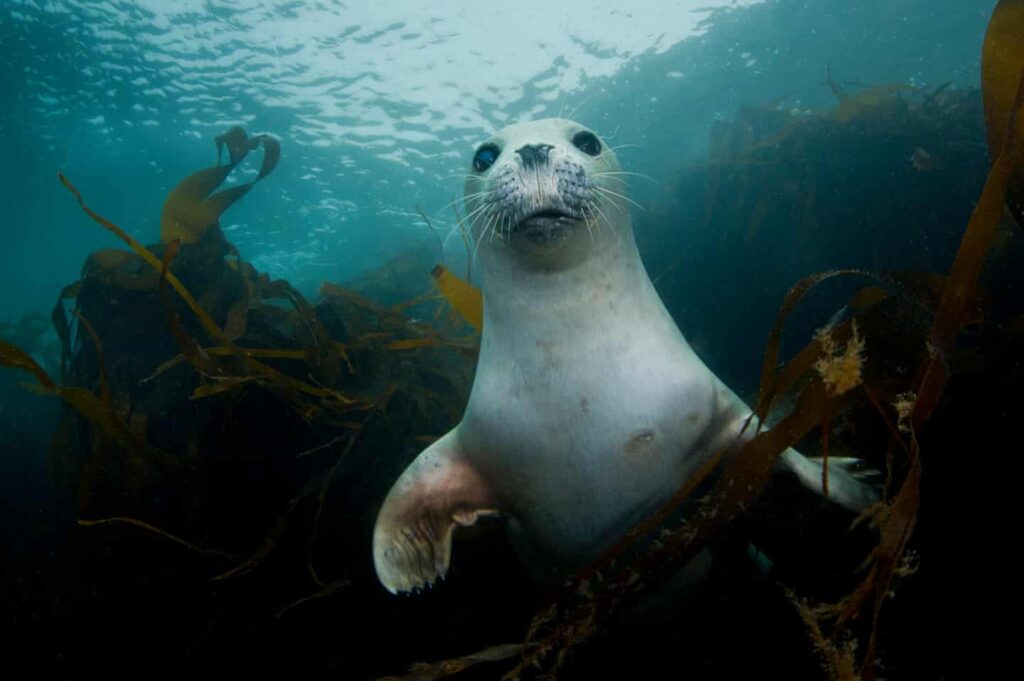
The introduction to this blog post is merely an attempt to introduce the pressing matter we now face, however, there is light at the end of the tunnel. In a video message to mark World Environment Day 2020, Sir David Attenborough said: “Suddenly, saving our planet is within reach. We have a plan. We know what to do.
“Stop the damaging stuff, roll out the new green tech, stabilise the human population as low as we fairly can, keep hold of the natural wealth we have currently got, and we’ll have built a stable, healthy world that we can benefit from forever.
“We now have a choice to create a planet that we can all be proud of, our planet. The perfect home for ourselves and the rest of life on Earth.”
This moves us nicely onto how we as a species are going about turning this planet around in the ultimate quest to achieve harmonisation between humanity and the planet with its finite natural resources. The UN Environment Programme (UNEP) organises an annual event known as World Environment Day on the 5th June, which encourages worldwide awareness and action for the protection of the environment. Within 2020 this day was focused on biodiversity and the importance this has on all life on Earth. This focus is expected to create an opportunity for driving momentum and public awareness of nature as a key topic leading up to the 15th meeting of Parties (COP 15) to the Convention on Biological Diversity (CBD). COP 15 was expected to take place in October 2020, but will be rescheduled for 2021, due to the COVID-19 pandemic.
This momentum is already gathering and is evident by the number of organisations and charities that are rising and acting. This does not have to involve a great deal of time or financial commitment, but for everyone who cares for the planet and what we leave behind doing something, no matter how small, is better than burying your head in the ever more polluted sand. Sustainability and environmental protection may seem like a tall order, an almost impossible task but remember that you are not alone. Every social media post or lifestyle change you make, no matter how small all adds up making this goal a very real and achievable task within our lifetime.
The simplest and most common definition of sustainability is as follows:
“Meets the needs of the present without compromising the ability of future generations to meet their own needs.”
Although the overall sustainability and environmental protection issues can be quite complex. The core of sustainability remains simple, do not take from the Earth more than it is able to replenish.
I will finish this blog post with the World Environment Day statement which I believe to sum up nicely.
The foods we eat, the air we breathe, the water we drink and the climate that makes our planet habitable all come from nature.
Yet, these are exceptional times in which nature is sending us a message:
To care for ourselves we must care for nature.
It’s time to wake up. To take notice. To raise our voices.
It’s time to build back better for People and Planet.
Sources:
https://www.worldenvironmentday.global/
https://www.unenvironment.org/news-and-stories/speech/it-time-nature-world-environment-day-2020
http://www.fao.org/biodiversity/environment-day/en/
https://www.theguardian.com/environment/gallery/2020/jun/05/world-environment-day-celebrating-the-uks-precious-biodiversity – source for images